
 The Local - Mt Victoria
Organisers are hopeful for a good olive harvest this year, despite setbacks in previous years. Abbi Maidment reports.
Mt Victoria’s annual olive harvest could be underway soon, thanks to olive trees in Mt Victoria ripening early this year.
That’s despite the event being cancelled in previous years due to members of the public over-picking the fruit before ripe.
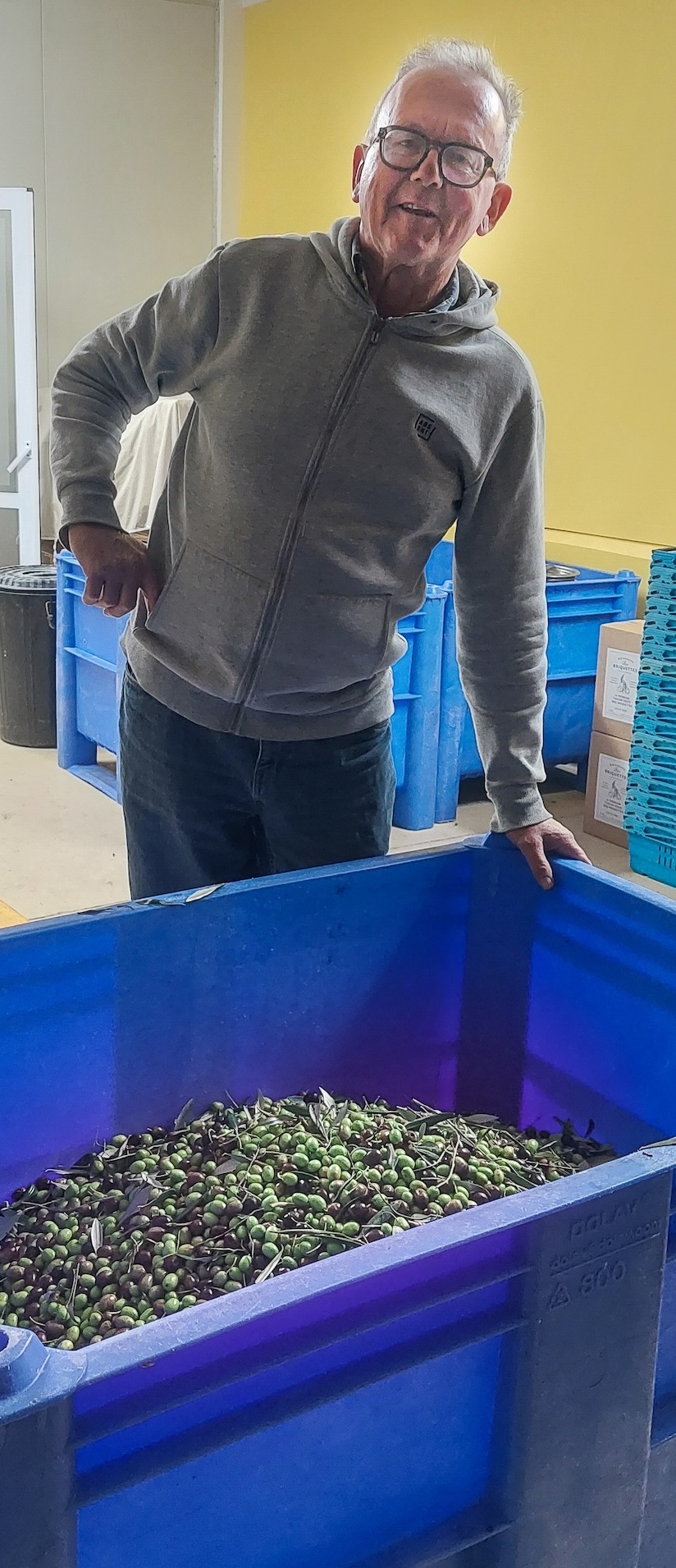
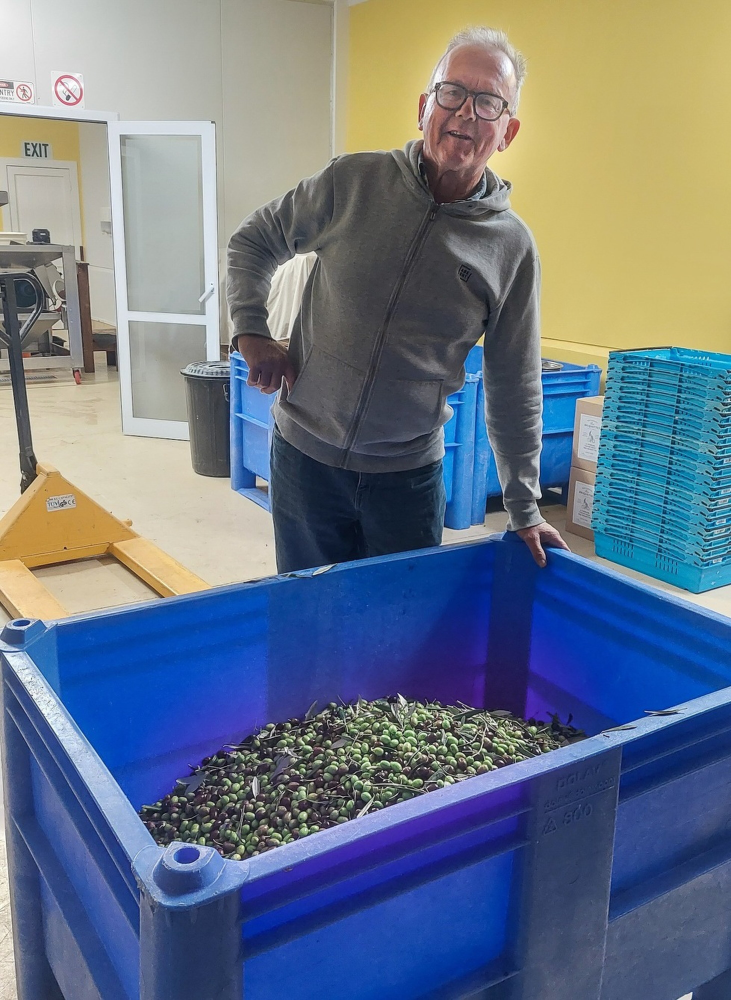
Mt Victoria community hub coordinator and harvest organiser Joel Cosgrove said the harvest usually happened between May and June and took 10 to 20 volunteers an afternoon to strip 100 to 200 kg of fresh olives from the trees.
“People can come from all different paths of life, and then just for this afternoon, you're all unified by your desire to try these olives.
“I think people love working with their hands, you know, like doing something practical where you can see the fruits of your labour.”
The olives are commercially crushed in the Wairarapa, yielding around 10–20 litres of oil.
All volunteers received a small bottle of oil to take home, and the rest was used for the community dinners held every few months, which host about 70 people.
“Each batch is different because the earlier you pick them or the later you pick them, that has a massive influence on the taste of them, so the one we got last year came through really nice and smooth. Tasted really good with bread.”
Colin Kelly, a former executive of the Wairarapa Olive Association, who helped set up and now coordinates the harvest, said there had been some years when they could not harvest because locals got to them first.
“There have been a couple of years when the crops looked quite good, but we think a small number of individuals have gone round and fairly systematically stripped the olives, so there have been a couple of years we haven't harvested.”
He suspected that these individuals used the olives for pickling rather than oil, as younger olives were used for brining.
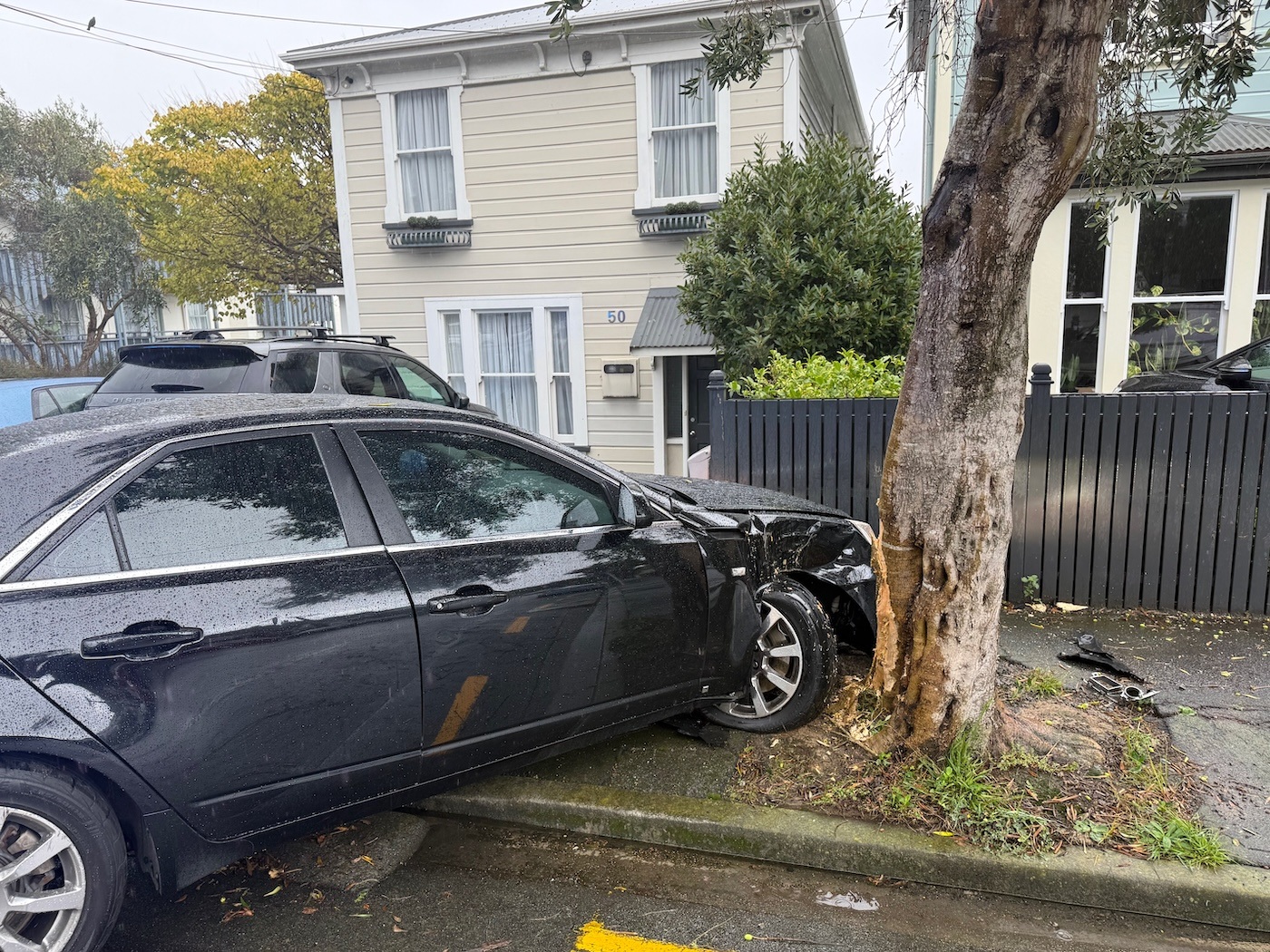
Wellington City Council first planted the trees in the 1980s, along the pavements of Austin Street and Queen Street in Mount Victoria, and Wakefield Street in Te Aro.
Colin said the olive trees chosen by the council at the time were Tuscan and Greek varieties, which were very good for oil production.
According to the Wellington Council website, the olives were first pressed into oil in 2002, when Graeme Harris of Kapiti Olives Ltd and council staff harvested and pressed them, naming the oil ‘Suprema a Situ’ after Wellington’s coat of arms motto.
'Suprema a Situ' was entered in the Los Angeles County Fair in the United States, where it won a gold medal, and was gifted by WCC to visiting dignitaries.
After the council stopped harvesting the olives, the Mount Victoria community took on the job.
Joel said that the trees were a great example of good community building and planning.
“These trees were planted in the 80s, that you know, in the 2020s we’re still engaging with.
“The community can keep collecting the olive oil for the shared joy of collecting the olives and making it into oil and are less worried about the time taken to do it.”
OTHER STORIES
... loading ...