
 The Local - Mt Victoria
If a second (actually, third) Mount Victoria tunnel goes ahead under the current Government’s‘Roads of National Significance’ programme, one of the homes of great Wellington significance that would be lost is 7 Paterson Street.Joanna Newman from the Mt Victoria Historical Society explains.
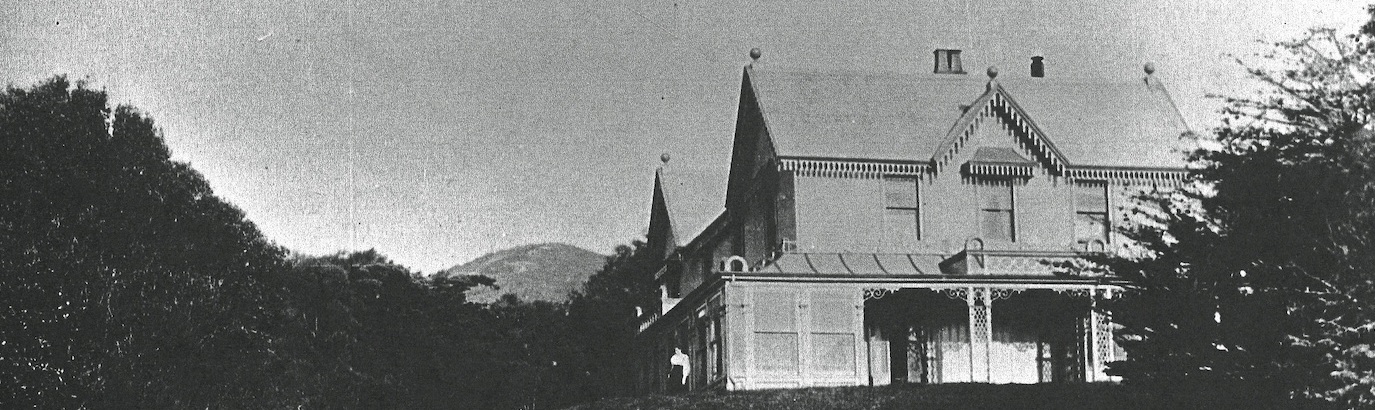
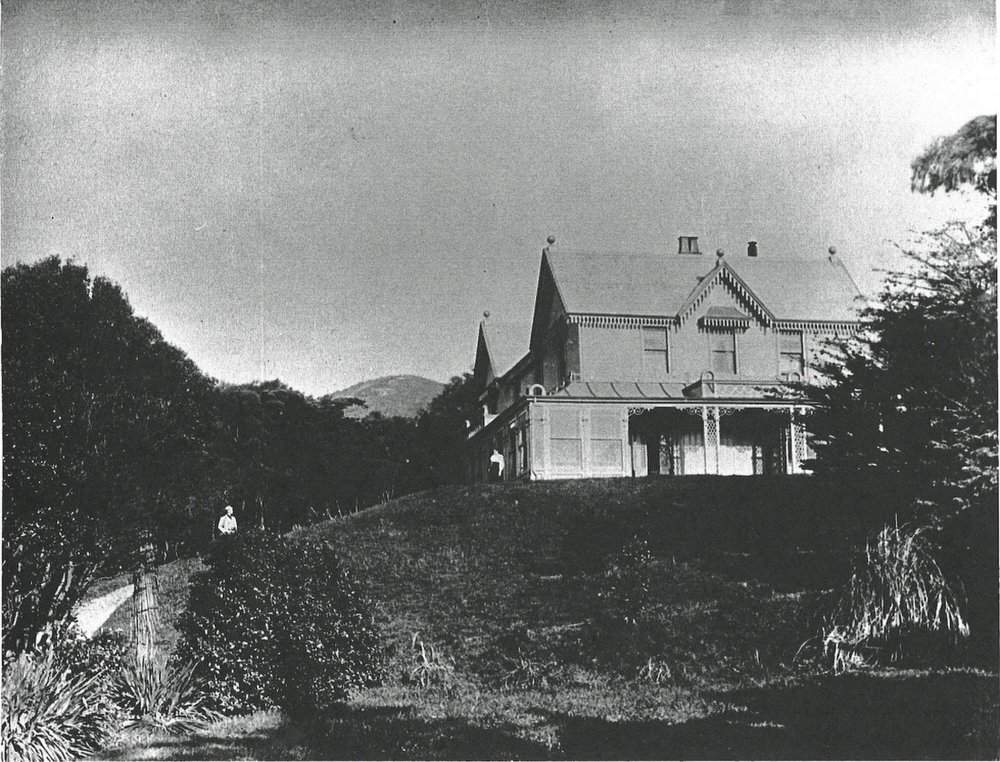
The house at 7 Paterson Street is one of the oldest large houses in Wellington. It was built in 1869 by William Waring Taylor and still retains many original features.
We all know the name Waring Taylor from the eponymous street in the middle of the CBD. In 1868, Taylor bought two acres of land where 7 Paterson Street sits and built his house in 1869.At the time, there was no Paterson St and he would have swept up the drive to the front of his home from Brougham St.
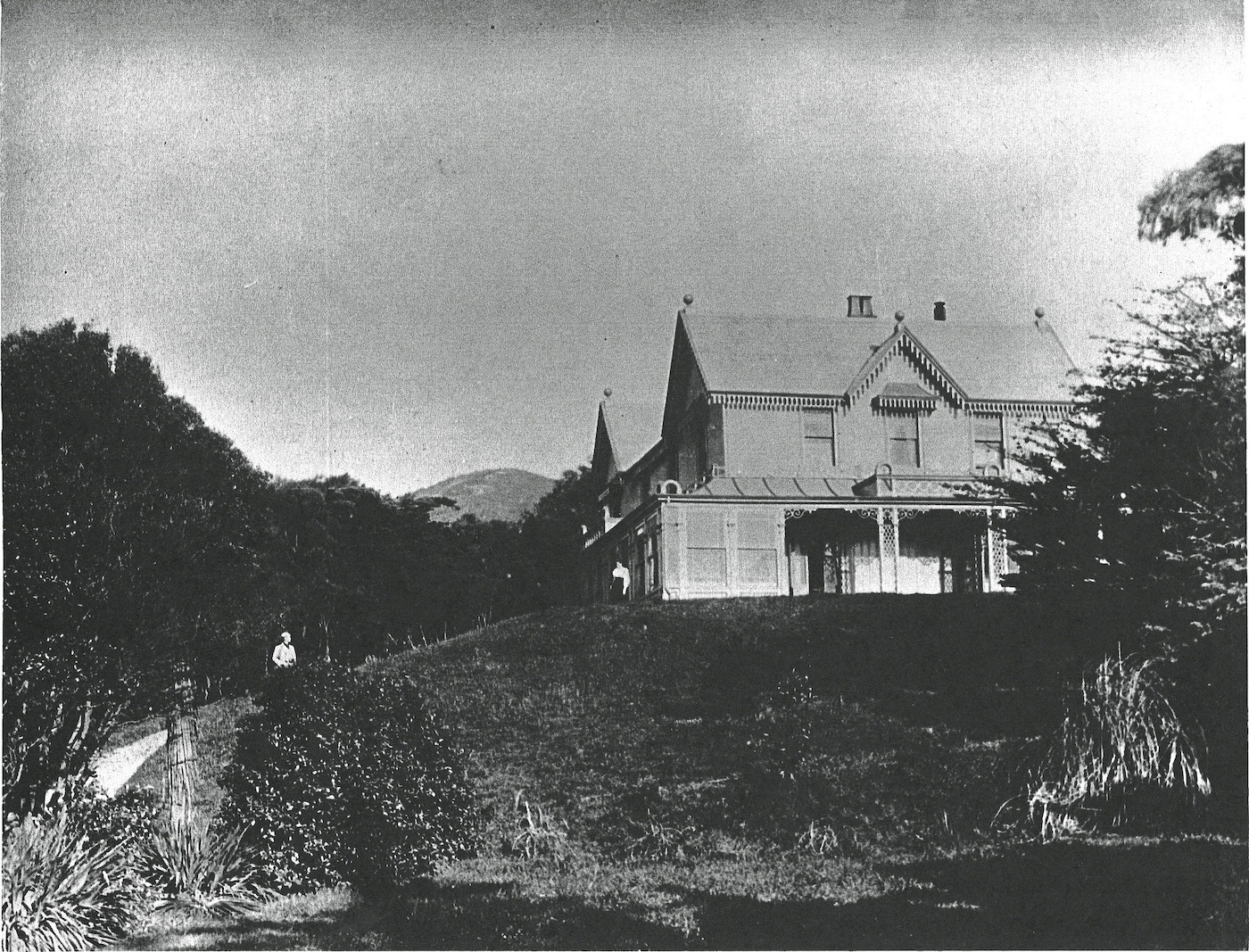
[ATL 1/2-017986F]
He was a successful businessman and in 1860 he had become Member of the House of Representatives for Wellington City and Deputy Superintendent of Wellington Province, also serving as its speaker for a decade from 1865. By the 1870s he was rich and respected and Waring Taylor Street in the heart of the city was named in his honour.
But all was not as it seemed. Taylor had left Mount Victoria by 1884, but that year he was arrested for fraud. The most serious charge related to fraudulently appropriating money as a trustee or agent. He was tried, convicted on one of the indictments, and sentenced to five years in jail.There was a move to change the name of the street commemorating him in 1885, but enough councillors felt his earlier contributions deserved to be remembered and it stayed.
After Taylor sold the property in 1878, it was owned by a couple of other businessmen, then by Alexander Rutherfurd (1895-97), who was Clerk Assistant of the New Zealand House of Representatives (Parliament).
In 1897, developer and builder Harry Crump bought the two acres at the southern end of Mount Victoria, including Waring Taylor’s house.He created Paterson St and built a number of houses which are still there.He continued to live at No. 7 until 1909.
That year, the house was bought by Archbishop Redwood and Father O’Shea for the Catholic Church. It became the residence for Father O’Shea and the priest serving Te Aro.When O’Shea was consecrated Archbishop in 1913, a torchlight procession went from Paterson Street, down Ellice Street to his consecration in the Town Hall. From that point on, it became known as Archbishop’s House. The Archbishop lived there until he was hospitalised just before his death in 1954.
The concrete block attached to the building and fronting onto Paterson St was added in 1936 to create a boys’ home. In the 1980s, the Good Shepherd Sisters took over the building and it was occupied by Catholic Social Services until it was acquired for motorway purposes under the Public Works Act in 1989.From that time on, it was rented by NZTA, but now it’s been empty for a couple of years.
OTHER STORIES
... loading ...